How to Clean Kufeki Stone? Natural Stone Maintenance Guide
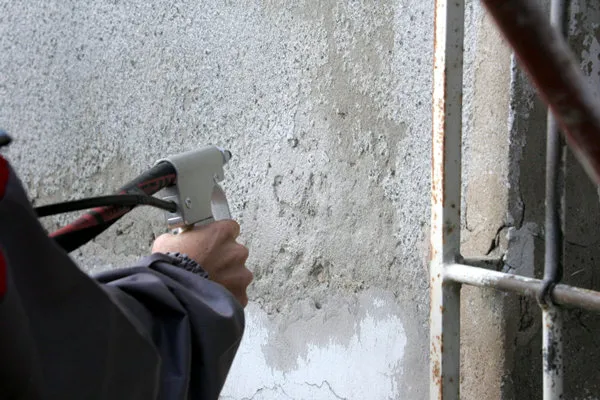
<p>Kufeki stone, an indispensable material for historical buildings, palaces, and modern architectural exterior projects, stands out with its aesthetic appearance and insulation properties. Especially in Istanbul and its surroundings, this precious natural stone, which we frequently encounter in historical mosques, city walls, and mansions, can get dirty over time due to environmental factors, air pollution, dust, and humidity.</p>
<p>So, how do you clean kufeki stone to preserve the elegance of your building as it was on the first day? We have compiled the safest and most effective cleaning methods you can apply without damaging natural stones.</p>
<h2>1. Avoid Acidic and Harsh Chemicals</h2>
<p>Kufeki stone is inherently a limestone-based natural stone. Therefore, acidic cleaners such as spirit of salt, bleach, or lime removers cause serious damage to the stone, melting its surface and disrupting its porous structure. During the cleaning process, neutral (pH 7) natural stone cleaners or mild soap-based products should always be preferred.</p>
<h2>2. Low-Pressure Washing</h2>
<p>The most natural and common way to clean kufeki stone on exterior facades is by using pressurized water. However, the point to consider here is that the pressure must not be too high. Too much pressure can abrade the surface of the stone.</p>
<p>You can easily rinse off dust, mud, and soot stains by spraying low-pressure water onto the stone surface from a distance of at least 30-40 cm using a fan-tipped nozzle.</p>
<h2>3. Surface Cleaning with a Soft Bristle Brush</h2>
<p>Mechanical cleaning may be required in areas with stubborn dirt or moss. Hard materials such as wire brushes should never be used at this stage. Instead, the stone surface should be gently brushed by preparing a neutral soapy water mixture with plastic or natural bristle brushes. It should then be rinsed with plenty of clean water and left to dry.</p>
<h2>4. Special Stain Removers (Poultice Method)</h2>
<p>Since kufeki stone has a porous structure, it can absorb stains like oil, rust, or bird droppings. Special absorbent pastes (poultice) prepared according to the type of stain on the surface are applied over the stain, covered with nylon, and left for 24-48 hours. As this mixture dries, it draws the stain out of the stone.</p>
<h2>5. Prevention Against Moss and Fungus Formation</h2>
<p>Over time, green moss or darkening may be seen on kufeki stones, especially on northern facades, in areas exposed to rain or in humid, shady areas. Although this is part of the stone's natural aging process, if it's undesirable, it can be cleaned using biological stone cleaners (moss inhibitors).</p>
<h2>Long-Lasting Protection: Water Repellent (Impregnation) Application</h2>
<p>After cleaning the kufeki stone and letting it dry completely, it is highly recommended to apply an impregnation (water and oil repellent solution) to extend the life of the stone and delay it from getting dirty again. The impregnation agent penetrates the pores of the stone and creates an invisible shield. Thus, while the stone continues to breathe, it repels rainwater and pollution from its surface instead of absorbing them.</p>
<h2>Get Professional Support</h2>
<p>Kufeki stone is a material that can stand for centuries when processed and maintained correctly. If the area to be cleaned is very large, there are stubborn stains, or if it involves a historical/old building requiring restoration, support must definitely be obtained from professional stone cladding and cleaning experts.</p>
<p>To get information about our exterior projects, natural stone supply, and professional application services, you can contact us through our </p>
<p>Contact</p>
<p>page, and you can visit our </p>
<p>Projects</p>
<p>page to see our sample applications.</p>